Achilles Tendonitis Treatment

What is the Achilles Tendon?
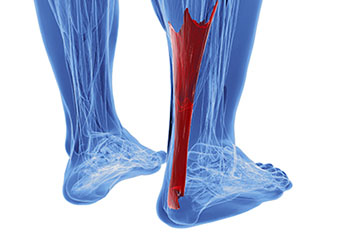
achilles tendon treatment in the Hunt County, TX: Greenville, Rockwall County, TX: Rockwall, Rowlett, Fate, Royse City, Heath, Collin County, TX: Plano, Wylie, Sachse, Frisco, Dallas County, TX: Dallas, Richardson, Garland, Mesquite, Irving, Carrollton, Addison, Farmers Branch, Coppell, Lewisville, Rowlett (partial), Sachse (partial), Balch Springs, Seagoville, Denton County, TX: Lewisville, Flower Mound, The Colony, Highland Village, Denton, Tarrant County, TX: Grapevine areas

The Achilles tendon is a thick band of fibrous tissue that connects the heel bone to the calf muscles in the back of the lower leg. It is the largest and strongest tendon in the body and is responsible for helping to lift the heel off of the ground while walking, jumping, running, standing on tiptoes and climbing stairs.

Despite the Achilles tendon’s ability to withstand approximately four times a person’s body weight, it often becomes injured due to chronic strain and overuse that weakens and degenerates the tendon over time, or acute trauma.

Four Main Achilles Tendon Injuries:

Achilles tendinitis is an overuse injury causing pain, irritation, and inflammation in the tendon. If not treated properly, this condition can turn into a chronic disorder called Achilles tendinosis. Non insertional Achilles tendinitis occurs in the middle of the tendon, where fibers can degenerate and even develop tiny tears. Insertional Achilles tendinitis occurs at the site where the tendon attaches to the heel bone. This form of tendinitis may also lead to bone spurs, also known as calcified deposits, developing on the heel bone.

An Achilles rupture is a tear that occurs when the tendon is stretched too far and too quickly with an extreme movement—such as in a forceful start, a sudden stop or pivot, or a trip or fall. A complete tear may produce an audible popping noise with extreme sudden pain and an inability to walk.

Achilles tendon bursitis, also known as retrocalcaneal bursitis, is a condition caused by swelling and irritation of the retrocalcaneal bursa. This is a fluid-filled sac that provides cushioning between the heel bone and the Achilles tendon at the back of the heel.

Treatment of Achilles Tendon Injuries

Proper and immediate care is critical in treating Achilles tendon injuries to eliminate painful and sometimes debilitating symptoms, and to avoid the condition worsening and becoming more complicated over time.

Depending on the type and severity of the injury, a podiatrist may treat an Achilles tendon injury with one or more of the following methods:

  • Medication
  • RICE method - Rest/Ice/Compression/Elevation
  • Orthotics
  • Taping
  • Physical therapy
  • Casts or walking boots
  • Surgery in the case of a complete rupture, surgery may be necessary to repair the tendon.

Certain Achilles tendon injuries can sometimes be avoided by wearing supportive footwear, properly warming up and cooling down and resting between workouts. Also, strengthening the calf muscles, and gradually intensifying activity levels rather than doing so abruptly will help.

Schedule an appointment with your podiatrist to have your Achilles tendon pain diagnosed and treated or to learn about how to help prevent this from occurring.

Achilles Tendon (FAQs)

What is the Achilles tendon?
The Achilles tendon is the thick band of fibrous tissue located at the back of the lower leg. It connects the calf muscles to the heel bone, allowing us to push off the foot while walking, running, or jumping. Although the Achilles tendon is the largest, strongest tendon in the body, it can be prone to injury due to the stress placed on it.
What are the different kinds of Achilles tendon injuries?
There are many different types of Achilles tendon injuries. Achilles tendonitis, one of the most common Achilles tendon injuries, is an inflammation of the tendon due to repetitive strain and overuse. Tendonitis causes pain and stiffness at the back of the heel. Achilles tendonosis refers to a gradual thickening and weakening of the Achilles tendon due to overuse or aging. More serious injuries to the Achilles tendon are tears or full ruptures. An Achilles tendon tear can be small or large, and may cause symptoms such as pain, swelling, and difficulty moving the affected leg. A rupture occurs when the tendon tears completely, and is accompanied by intense pain and swelling.
How long does it take for an Achilles tendon injury to heal?
How long it takes to recover from an Achilles tendon injury depends on the type and severity of the injury, as well as the treatments that are used, the patient’s lifestyle factors and compliance with the doctor's orders. Less severe injuries may take several weeks to heal. More severe injuries, like a full rupture, may require surgery and can take several months to heal completely.
Can I still walk with an Achilles tendon injury?
You may still be able to walk with an Achilles tendon injury, though it is likely you will experience at least some degree of pain or discomfort, and you may have trouble pushing off of the injured foot. However, while you may be able to walk, that doesn’t necessarily mean that you should. Achilles tendon ruptures are often treated with surgery, and full recovery can require wearing a cast and refraining from putting weight on the affected leg. Resting the affected leg is recommended regardless of the severity of the injury, and you should not fully resume your usual activities without the okay of your doctor. Putting too much strain on the Achilles tendon before it heals fully may result in chronic pain and an increased likelihood of further injury.

Connect With Us

Advanced Podiatric Procedures & Services in the areas