
Painful Gout and Its Causes

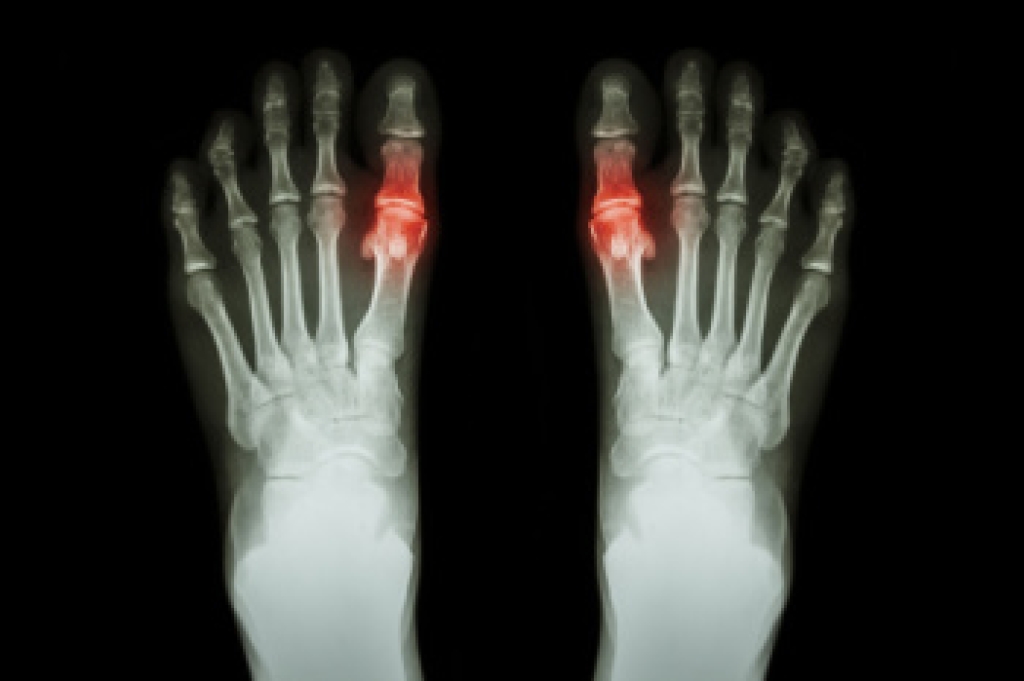
Gout is a form of inflammatory arthritis caused by a buildup of uric acid in the body, leading to crystal formation in the joints. This condition most commonly affects the big toe, but can also affect other parts of the feet and ankles. Gout often begins suddenly with intense pain, redness, warmth, and swelling. The joint may appear shiny and feel extremely tender, making even light pressure from bedding uncomfortable. Flare-ups can come on quickly, often at night, and may limit walking or standing. Contributing factors include diet, dehydration, certain medications, and underlying health conditions that affect how uric acid is processed. A podiatrist can recognize the signs of gout and may coordinate care to confirm the diagnosis. Treatment typically focuses on reducing inflammation and managing pain, along with long-term strategies to lower uric acid levels. Guidance may include lifestyle adjustments and preventive care to reduce future flare-ups. If you suspect you have gout, it is suggested that you make an appointment with a podiatrist.

Gout is a foot condition that requires certain treatment and care. If you are seeking treatment, contact one of our podiatrists from Advanced Foot Specialists. Our doctors will treat your foot and ankle needs.

What Is Gout?

Gout is a type of arthritis caused by a buildup of uric acid in the bloodstream. It often develops in the foot, especially the big toe area, although it can manifest in other parts of the body as well. Gout can make walking and standing very painful and is especially common in diabetics and the obese.

People typically get gout because of a poor diet. Genetic predisposition is also a factor. The children of parents who have had gout frequently have a chance of developing it themselves.

Gout can easily be identified by redness and inflammation of the big toe and the surrounding areas of the foot. Other symptoms include extreme fatigue, joint pain, and running high fevers. Sometimes corticosteroid drugs can be prescribed to treat gout, but the best way to combat this disease is to get more exercise and eat a better diet.

If you have any questions, please feel free to contact our offices located in Rockwall, Greenville, Dallas, Sachse, and Lewisville, TX . We offer the newest diagnostic and treatment technologies for all your foot care needs.

Read more about Everything You Need to Know About Gout

Comparing a Sprained or Broken Ankle

Ankle pain can come from different injuries, and two of the most important to understand are sprains and fractures. A sprain occurs when ligaments, the strong bands that hold bones together, are stretched or torn. This often happens after the ankle twists, leading to swelling, bruising, and pain with movement. A fracture means a break in one or more bones of the ankle joint. Fractures usually cause sudden, severe pain, visible swelling, and difficulty putting weight on the foot. In some cases, the ankle may appear misshapen. A podiatrist can perform a detailed exam to assess joint stability and order X-rays and other imaging to confirm the diagnosis. Treatment options include bracing, immobilization, or surgery, depending on the type of injury and severity. Early evaluation helps prevent long-term joint damage and instability. If you are experiencing severe ankle pain, it is suggested that you make an emergency appointment with a podiatrist for medical treatment.

Ankle pain can have many different causes and the pain may potentially be serious. If you have ankle pain, consult with one of our podiatrists  from Advanced Foot Specialists. Our doctors will assess your condition and provide you with quality foot and ankle treatment.

Ankle pain is any condition that causes pain in the ankle. Due to the fact that the ankle consists of tendons, muscles, bones, and ligaments, ankle pain can come from a number of different conditions.

Causes

The most common causes of ankle pain include:

  • Types of arthritis (rheumatoid, osteoarthritis, and gout)
  • Ankle sprains
  • Broken ankles
  • Achilles tendinitis
  • Achilles tendon rupture
  • Stress fractures
  • Tarsal tunnel syndrome
  • Plantar fasciitis

Symptoms

Symptoms of ankle injury vary based upon the condition. Pain may include general pain and discomfort, swelling, aching, redness, bruising, burning or stabbing sensations, and/or loss of sensation.

Diagnosis

Due to the wide variety of potential causes of ankle pain, podiatrists will utilize a number of different methods to properly diagnose ankle pain. This can include asking for personal and family medical histories and of any recent injuries. Further diagnosis may include sensation tests, a physical examination, and potentially x-rays or other imaging tests.

Treatment

Just as the range of causes varies widely, so do treatments. Some more common treatments are rest, ice packs, keeping pressure off the foot, orthotics and braces, medication for inflammation and pain, and surgery.

If you have any questions please feel free to contact our offices located in Rockwall, Greenville, Dallas, Sachse, and Lewisville, TX . We offer the newest diagnostic tools and technology to treat your foot and ankle needs.

Read more about Various Causes of Ankle Pain

Keryflex For Fungal Nails

Keryflex™ Nail Restoration utilizes polymer resins to create an artificial nail that is durable, flexible, and gives a natural appearance. If you're suffering from toenail fungus, this treatment may be right for you. 

What Is a Bunionette?

A bunionette, also called a tailor’s bunion, is a painful bump that forms on the outside of the foot at the base of the fifth toe. It gets its name from tailors who once sat cross-legged for long periods, placing pressure on the outer edge of the foot. Over time the fifth metatarsal bone begins to shift outward, creating a noticeable bump that may rub against shoes. Patients often notice redness, swelling, and tenderness along the outside of the foot. The area may feel irritated when walking or wearing narrow footwear. Causes include foot structure, inherited bone shape, or long-term pressure from tight shoes. A podiatrist can diagnose a bunionette through examination and imaging to determine the alignment of the bone. Treatment focuses on reducing pressure and correcting the underlying problem. Care may include wider footwear, protective padding, custom orthotics, and targeted exercises to support the foot. In more severe cases, surgery may be recommended to realign the bone. If you think you have a bunionette, it is suggested that you make an appointment with a podiatrist.

If you are suffering from bunion pain, contact one of our podiatrists of Advanced Foot Specialists. Our doctors can provide the care you need to keep you pain-free and on your feet.

What Is a Bunion?

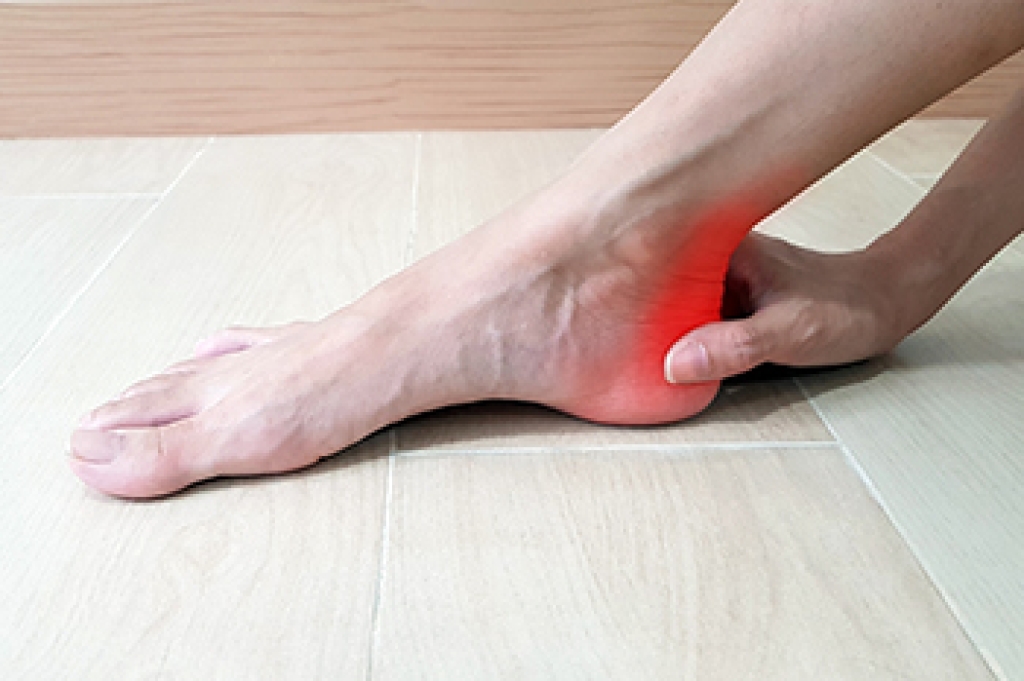
Bunions are painful bony bumps that usually develop on the inside of the foot at the joint of the big toe. As the deformity increases over time, it may become painful to walk and wear shoes. Women are more likely to exacerbate existing bunions since they often wear tight, narrow shoes that shift their toes together. Bunion pain can be relieved by wearing wider shoes with enough room for the toes.

Causes

  • Genetics – some people inherit feet that are more prone to bunion development
  • Inflammatory Conditions - rheumatoid arthritis and polio may cause bunion development

Symptoms

  • Redness and inflammation
  • Pain and tenderness
  • Callus or corns on the bump
  • Restricted motion in the big toe

In order to diagnose your bunion, your podiatrist may ask about your medical history, symptoms, and general health. Your doctor might also order an x-ray to take a closer look at your feet. Nonsurgical treatment options include orthotics, padding, icing, changes in footwear, and medication. If nonsurgical treatments don’t alleviate your bunion pain, surgery may be necessary.

If you have any questions, please feel free to contact our offices located in Rockwall, Greenville, Dallas, Sachse, and Lewisville, TX . We offer the newest diagnostic and treatment technologies for all your foot care needs.
Read more about What Are Bunions?

Deciding on Toenail Removal

Reasons for toenail removal often relate to ongoing pain or damage that does not improve with standard care. An ingrown toenail is a common cause, where the nail edge grows into the skin and leads to swelling and infection. Thick, discolored nails from a fungal infection can also require removal when the nail becomes painful or unstable. Trauma from an injury may damage the nail so severely that it cannot grow back normally. In some cases, repeated infections or deformity make removal the best option to restore comfort. A podiatrist can examine the toe, explain the problem, and perform a safe, in-office procedure to remove part or all of the nail. The procedure is done with numbing medicine to keep you comfortable. This helps relieve pain and allows healthier nail growth. If you have constant pain from a toenail, it is suggested that you make an appointment with a podiatrist for help.

Toe pain can disrupt your daily activities. If you have any concerns, contact one of our podiatrists of Advanced Foot Specialists. Our doctors can provide the care you need to keep you pain-free and on your feet.

What Causes Toe Pain?

Most severe toe pain is caused due to a sports injury, trauma from dropping something heavy on the toe, or bumping into something rigid. Other problems can develop over time for various reasons.

Toe pain can be caused by one or more ailments. The most common include:

  • Trauma
  • Sports injury
  • Wearing shoes that are too tight
  • Arthritis
  • Gout
  • Corns and calluses
  • Hammertoe
  • Bunions
  • Blisters
  • Ingrown toenails
  • Sprains
  • Fractures (broken bones)
  • Dislocations

When to See a Podiatrist

  • Severe pain
  • Persistent pain that lasts more than a week
  • Signs of infection
  • Continued swelling
  • Pain that prevents walking

Diagnosis

In many cases the cause of toe pain is obvious, but in others, a podiatrist may want to use more advanced methods to determine the problem. These can range from simple visual inspections and sensation tests to X-rays and MRI scans. Prior medical history, family medical history, and any recent physical traumatic events will all be taken into consideration for a proper diagnosis.

Treatment

Treatments for toe pain and injuries vary and may include shoe inserts, padding, taping, medicines, injections, and in some cases, surgery. If you believe that you have broken a toe, please see a podiatrist as soon as possible.

If you have any questions please contact our offices located in Rockwall, Greenville, Dallas, Sachse, and Lewisville, TX . We offer the newest diagnostic and treatment technologies for all your foot and ankle needs.

Read more about Toe Pain

Connect With Us

scroll to top