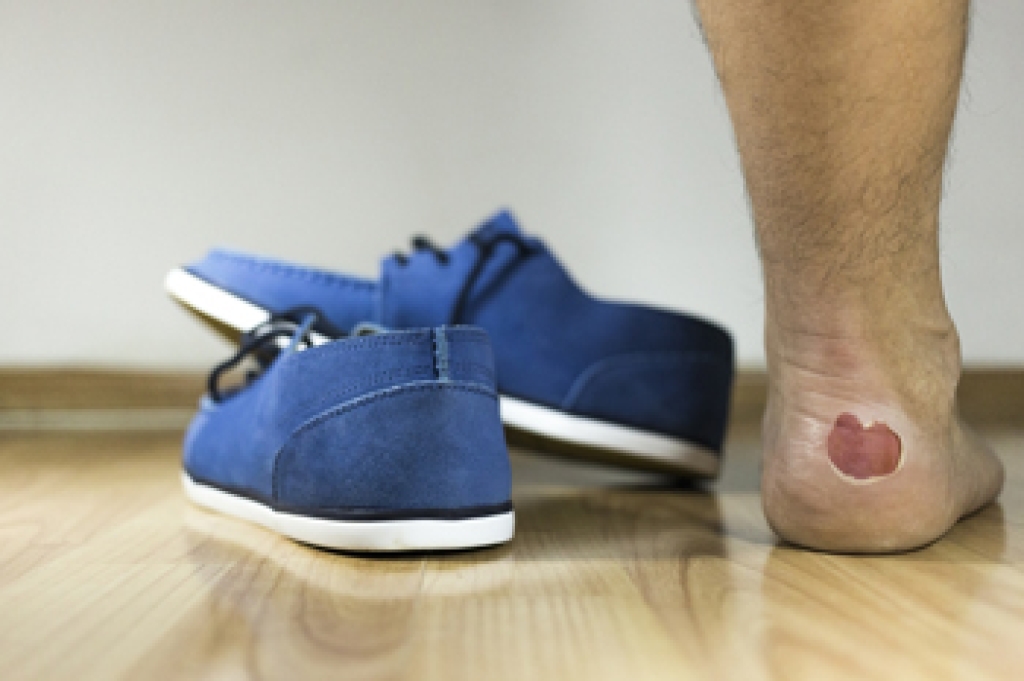
Toenails That Grow the Wrong Way

An ingrown toenail develops when the edge of the nail presses into the surrounding skin, leading to redness, swelling, and sharp pain along the border of the nail. It may look puffy or irritated and can sometimes drain if infection is present. This condition often occurs after improper trimming, tight shoes, or injury to the toe. Early treatment may include careful trimming and reducing pressure, but when the problem becomes chronic, more advanced care is needed. A traditional matrixectomy removes part of the nail root to permanently narrow the nail and prevent regrowth along the painful edge. A nail brace offers a more conservative option by gently lifting and reshaping the nail over time without removing tissue. A podiatrist will evaluate the severity, discuss health history, and recommend the most appropriate solution. If you have an ingrown toenail that continues to return or becomes infected, it is suggested that you make an appointment with a podiatrist.

Ingrown toenails can become painful if they are not treated properly. For more information about ingrown toenails, contact one of our podiatrists of Advanced Foot Specialists. Our doctors can provide the care you need to keep you pain-free and on your feet.

Ingrown Toenails

Ingrown toenails occur when a toenail grows sideways into the bed of the nail, causing pain, swelling, and possibly infection.

Causes

  • Bacterial infections
  • Improper nail cutting such as cutting it too short or not straight across
  • Trauma to the toe, such as stubbing, which causes the nail to grow back irregularly
  • Ill-fitting shoes that bunch the toes too close together
  • Genetic predisposition

Prevention

Wearing proper fitting shoes and using proper cutting techniques will also help decrease your risk of developing ingrown toenails.

Treatment

Ingrown toenails are a very treatable foot condition. In minor cases, soaking the affected area in salt or antibacterial soaps will not only help with the ingrown nail itself, but also help prevent any infections from occurring. In more severe cases, surgery is an option. In either case, speaking to your podiatrist about this condition will help you get a better understanding of specific treatment options that are right for you.

If you have any questions, please feel free to contact our offices located in Rockwall, Greenville, Dallas, Sachse, and Lewisville, TX . We offer the newest diagnostic and treatment technologies for all your foot care needs.
Read more about Ingrown Toenails

Ankle Fracture? Don’t Wait for Treatment

If you're suffering from an ankle fracture, professional attention shouldn't wait. Fractures may worsen over time and can make completing everyday activities incredibly difficult. See your specialist for treatment and guidance through the healing process. 

Understanding Abnormal Gait Patterns in Children

Abnormal gait patterns in children can signal underlying structural or neurological concerns. An antalgic gait occurs when a child shortens the stance phase to avoid pain, often due to injury or inflammation. A circumduction gait involves swinging the leg outward in a semicircle, which may result from muscle weakness or limb length differences. A spastic gait appears stiff and tight, commonly associated with increased muscle tone from neurological conditions. Additionally, a clumsy gait may include frequent tripping and poor coordination, sometimes linked to developmental delays or balance issues. Causes vary from minor injuries to more complex disorders. A podiatrist can evaluate walking patterns, identify underlying causes, and recommend treatment. If you notice your child has unusual walking patterns, it is strongly suggested that you consult a podiatrist who can provide an accurate diagnosis and offer effective treatment and management techniques.

The health of a child’s feet is vital to their overall well-being. If you have any questions regarding foot health, contact one of our podiatrists of Advanced Foot Specialists. Our doctors can provide the care you need to keep you pain-free and on your feet.

Tips for Keeping Children's Feet Healthy

  • Make sure their shoes fit properly
  • Look for any signs of in-toeing or out-toeing
  • Check to see if they have Clubfoot (condition that affects your child’s foot and ankle, twisting the heel and toes inward) which is one of the most common nonmajor birth defects.
  • Lightly cover your baby’s feet (Tight covers may keep your baby from moving their feet freely, and could prevent normal development)
  • Allow your toddler to go shoeless (Shoes can be restricting for a young child’s foot)
  • Cut toenails straight across to avoid ingrown toenails
  • Keep your child’s foot clean and dry
  • Cover cuts and scrapes. Wash any scratches with soap and water and cover them with a bandage until they’ve healed.

If you have any questions, please feel free to contact our offices located in Rockwall, Greenville, Dallas, Sachse, and Lewisville, TX . We offer the newest diagnostic and treatment technologies for all your foot care needs.

Read more about How to Care for Your Child's Feet

The Connection Between the Feet and Dance Performance

The feet play a vital role in dancing, serving as the foundation for balance, control, and expressive movement. For optimal performance, the entire foot must move as a coordinated unit, allowing smooth transitions and powerful push offs. Deep external rotator muscles are especially important, as they help control foot and ankle alignment while supporting stability through complex dance movements. Practicing foot separating motions between the forefoot and hindfoot can improve flexibility, control, and awareness, helping dancers move with greater precision and reduce strain. When foot mechanics are limited or imbalanced, performance and comfort may suffer. A podiatrist can help by evaluating foot structure, alignment, and movement patterns specific to dance demands. If foot pain or instability is affecting your dancing, it is suggested that you schedule a podiatry evaluation to protect your feet and enhance performance.

If you have any concerns about your feet, contact one of our podiatrists from Advanced Foot Specialists. Our doctors can provide the care you need to keep you pain-free and on your feet.

Biomechanics in Podiatry

Podiatric biomechanics is a particular sector of specialty podiatry with licensed practitioners who are trained to diagnose and treat conditions affecting the foot, ankle and lower leg. Biomechanics deals with the forces that act against the body, causing an interference with the biological structures. It focuses on the movement of the ankle, the foot and the forces that interact with them.

A History of Biomechanics

  • Biomechanics dates back to the BC era in Egypt where evidence of professional foot care has been recorded.
  • In 1974, biomechanics gained a higher profile from the studies of Merton Root, who claimed that by changing or controlling the forces between the ankle and the foot, corrections or conditions could be implemented to gain strength and coordination in the area.

Modern technological improvements are based on past theories and therapeutic processes that provide a better understanding of podiatric concepts for biomechanics. Computers can provide accurate information about the forces and patterns of the feet and lower legs.

Understanding biomechanics of the feet can help improve and eliminate pain, stopping further stress to the foot.

If you have any questions please feel free to contact our offices located in Rockwall, Greenville, Dallas, Sachse, and Lewisville, TX . We offer the newest diagnostic and treatment technologies for all your foot and ankle needs.

Read more about The Importance of Biomechanics in Podiatry

Symptoms and Diagnosis of Athlete’s Foot

Athlete's foot is a fungal infection that affects the skin of the feet, most often between the toes or along the soles. Symptoms include itching, burning, redness, scaling, peeling skin, cracking, or small blisters that can cause discomfort when walking. A podiatrist can diagnose athlete's foot by reviewing symptoms, examining the affected skin, and, when needed, taking a small skin sample to confirm the presence of fungus. Accurate diagnosis is important because other skin conditions can cause similar symptoms. Once identified, a podiatrist can recommend appropriate medical treatment, monitor healing, address contributing factors, like moisture or footwear, and help prevent recurrence through professional guidance. If you believe you have an athlete's foot infection, it is suggested that you make an appointment with a podiatrist for an exam, diagnosis, and treatment.

Athlete’s Foot

Athlete’s foot is often an uncomfortable condition to experience. Thankfully, podiatrists specialize in treating athlete’s foot and offer the best treatment options. If you have any questions about athlete’s foot, consult with one of our podiatrists from Advanced Foot Specialists. Our doctors will assess your condition and provide you with quality treatment.

What Is Athlete’s Foot?

Tinea pedis, more commonly known as athlete’s foot, is a non-serious and common fungal infection of the foot. Athlete’s foot is contagious and can be contracted by touching someone who has it or infected surfaces. The most common places contaminated by it are public showers, locker rooms, and swimming pools. Once contracted, it grows on feet that are left inside moist, dark, and warm shoes and socks.

Prevention

The most effective ways to prevent athlete’s foot include:

  • Thoroughly washing and drying feet
  • Avoid going barefoot in locker rooms and public showers
  • Using shower shoes in public showers
  • Wearing socks that allow the feet to breathe
  • Changing socks and shoes frequently if you sweat a lot

Symptoms

Athlete’s foot initially occurs as a rash between the toes. However, if left undiagnosed, it can spread to the sides and bottom of the feet, toenails, and if touched by hand, the hands themselves. Symptoms include:

  • Redness
  • Burning
  • Itching
  • Scaly and peeling skin

Diagnosis and Treatment

Diagnosis is quick and easy. Skin samples will be taken and either viewed under a microscope or sent to a lab for testing. Sometimes, a podiatrist can diagnose it based on simply looking at it. Once confirmed, treatment options include oral and topical antifungal medications.

If you have any questions, please feel free to contact our offices located in Rockwall, Greenville, Dallas, Sachse, and Lewisville, TX . We offer the newest diagnostic and treatment technologies for all your foot care needs.
Read more about How to Deal with Athlete's Foot

Connect With Us

scroll to top