Podiatric Care for Achilles Tendon Injuries

The Achilles tendon is a strong band of tissue that connects the calf muscles to the heel bone. It helps the foot point downward and plays an important role in walking, running, and jumping. Achilles tendon injuries range from irritation and small tissue damage to a complete tear, called a rupture. A rupture can happen when the tendon is suddenly placed under intense stress. Symptoms include pain, swelling, and difficulty walking. Some patients feel or hear a pop when the tendon tears. A complete rupture can make it difficult to push off the injured foot or stand on the toes of that leg.

Achilles tendon injuries can occur during activities that involve sudden starts, stops, or changes in direction. Running and jumping can also place significant force on the tendon. A rupture sometimes occurs in people who participate in sports only occasionally. Age can affect the tendon, and certain medications can increase the risk of injury. A podiatrist can ask how the injury happened and examine the foot, ankle, and lower leg. The examination can include checking tenderness, swelling, and ankle movement. The podiatrist can also test how well the Achilles tendon is working. Imaging tests can help determine the location and extent of an injury when more information is required.

Treatment depends on the type and severity of the Achilles tendon injury. A podiatrist can provide or coordinate care designed to protect the tendon and restore function. Treatment can include immobilization, and other forms of medical care. A complete rupture can sometimes require surgery, depending on the patient's health and activity level. A podiatrist can also monitor healing and determine when it is appropriate to increase activity. Rehabilitation can focus on restoring strength, flexibility, and normal movement. Proper evaluation is important because continuing activity with an injured Achilles tendon can interfere with recovery. The goal of treatment is to support healing and help the patient return safely to normal activities. If you have symptoms of an Achilles tendon injury, it is suggested that you schedule an appointment with a podiatrist for effective relief and treatment solutions.

Achilles tendon injuries need immediate attention to avoid future complications. If you have any concerns, contact one of our podiatrists of Advanced Foot Specialists. Our doctors can provide the care you need to keep you pain-free and on your feet.

What Is the Achilles Tendon?

The Achilles tendon is a tendon that connects the lower leg muscles and calf to the heel of the foot. It is the strongest tendon in the human body and is essential for making movement possible. Because this tendon is such an integral part of the body, any injuries to it can create immense difficulties and should immediately be presented to a doctor.

What Are the Symptoms of an Achilles Tendon Injury?

There are various types of injuries that can affect the Achilles tendon. The two most common injuries are Achilles tendinitis and ruptures of the tendon.

Achilles Tendinitis Symptoms

  • Inflammation
  • Dull to severe pain
  • Increased blood flow to the tendon
  • Thickening of the tendon

Rupture Symptoms

  • Extreme pain and swelling in the foot
  • Total immobility

Treatment and Prevention

Achilles tendon injuries are diagnosed by a thorough physical evaluation, which can include an MRI. Treatment involves rest, physical therapy, and in some cases, surgery. However, various preventative measures can be taken to avoid these injuries, such as:

  • Thorough stretching of the tendon before and after exercise
  • Strengthening exercises like calf raises, squats, leg curls, leg extensions, leg raises, lunges, and leg presses

If you have any questions please feel free to contact our offices located in Rockwall, Greenville, Dallas, Sachse, and Lewisville, TX . We offer the newest diagnostic tools and technology to treat your foot and ankle needs.

Read more about The Causes, Types, and Treatments of Achilles Tendon Injuries

Why Live with Pain and Numbness in Your Feet?

Suffering from this type of pain? You may have the foot condition known as Morton's neuroma. Morton's neuroma may develop as a result of ill-fitting footwear and existing foot deformities. We can help.

Sever’s Disease in Active Children

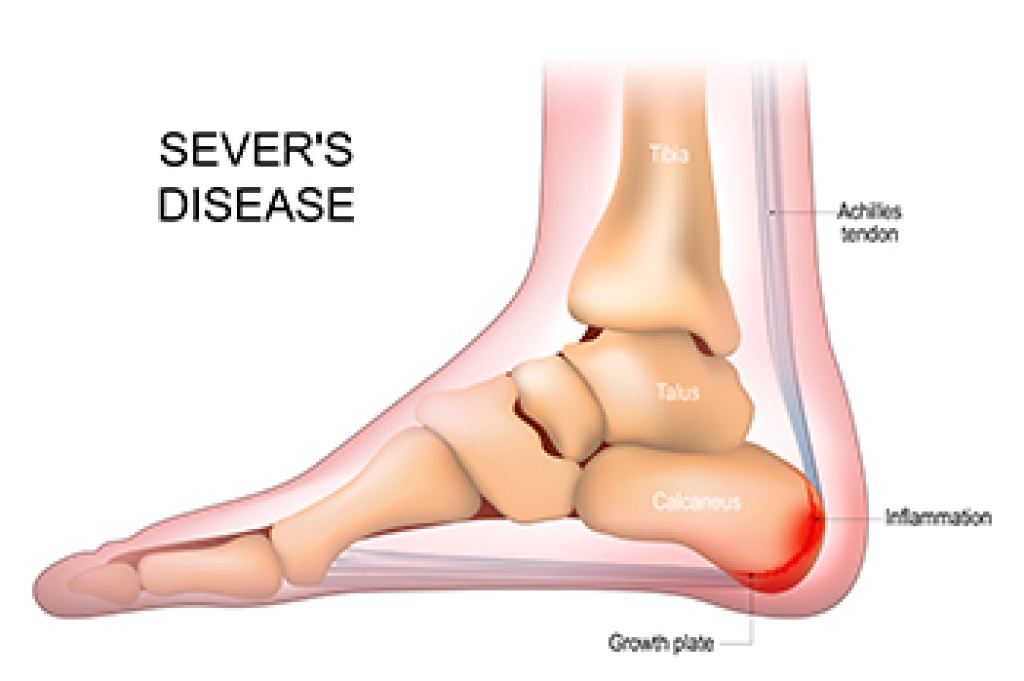
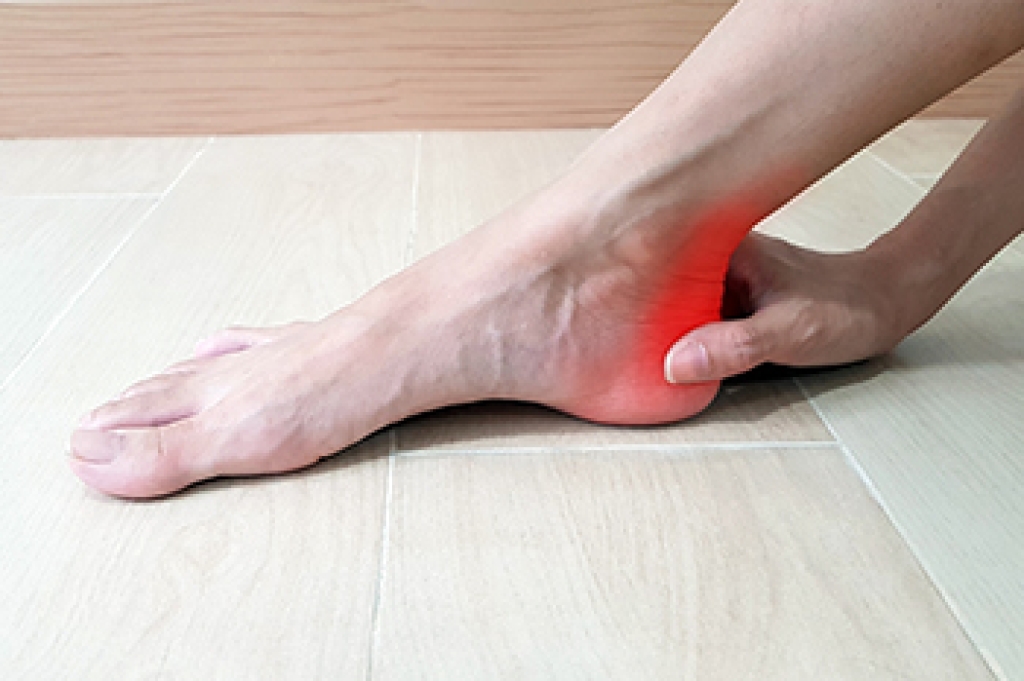
Sever’s disease causes heel pain in growing children, especially those who are physically active. It usually develops between ages eight and 14, when the heel bone is going through a period of growth. The condition affects the growth area where the Achilles tendon attaches to the heel bone. This area is still developing from cartilage into mature bone. Repeated stress from running or jumping can irritate it and cause pain. Symptoms include heel pain with exercise, increased pain after activity, and limping. Some children also walk on their toes to reduce pressure on the painful heel. One or both heels can be affected.

Growth and activity levels can influence the development of Sever’s disease. A child can experience symptoms after increasing the amount or intensity of sports participation. Starting a new sport can also place different demands on the heel. Activities that involve frequent running and jumping are strongly linked with symptoms. Changes in height and weight can contribute as the body develops. Foot structure can play a role as well. Children with flat-foot posture can have a slightly greater risk. Certain shoes, especially those with a low heel, can place added strain on the growth area by increasing tension through the Achilles tendon.

A podiatrist can evaluate heel pain by discussing symptoms and examining the child’s feet and legs. X-rays are generally not used to diagnose Sever’s disease, although imaging can sometimes help rule out another cause of heel pain. Treatment focuses on reducing pain while managing activity appropriately. A podiatrist can recommend activity changes, heel raises, or custom orthotics based on the child’s needs. The condition rarely causes long-term problems once the growth area matures. If your active child has symptoms of Sever’s disease, it is suggested that you schedule an appointment with a podiatrist for effective relief and management solutions.

Sever's disease often occurs in children and teens. If your child is experiencing foot or ankle pain, see one of our podiatrists from Advanced Foot Specialists. Our doctors can treat your child’s foot and ankle needs.

Sever’s Disease

Sever’s disease is also known as calcaneal apophysitis, which is a medical condition that causes heel pain I none or both feet. The disease is known to affect children between the ages of 8 and 14.

Sever’s disease occurs when part of the child’s heel known as the growth plate (calcaneal epiphysis) is attached to the Achilles tendon. This area can suffer injury when the muscles and tendons of the growing foot do not keep pace with bone growth. Therefore, the constant pain which one experiences at the back of the heel will make the child unable to put any weight on the heel. The child is then forced to walk on their toes.

Symptoms

Acute pain – Pain associated with Sever’s disease is usually felt in the heel when the child engages in physical activity such as walking, jumping and or running.

Highly active – Children who are very active are among the most susceptible in experiencing Sever’s disease, because of the stress and tension placed on their feet.

If you have any questions, please feel free to contact our offices located in Rockwall, Greenville, Dallas, Sachse, and Lewisville, TX . We offer the newest diagnostic and treatment technologies for all your foot care needs.
Read more about Sever's Disease

Understanding Clubfoot in Children

Clubfoot is a congenital foot deformity in which one or both feet are turned inward and downward. The medical term is talipes equinovarus. The affected foot may appear smaller than expected, with the heel turned inward and the front of the foot angled toward the opposite leg. The ankle may also have limited movement. Clubfoot is usually present at birth and can be identified during a routine newborn examination. In some cases, it can be seen during a prenatal ultrasound. Although the foot may look significantly different, clubfoot is treatable, and early care can help a child develop a functional foot for walking.

The exact cause of clubfoot is not always known. It may involve a combination of genetic and environmental factors that affect the development of the muscles, tendons, and connective tissues of the foot. Having a family history of clubfoot can increase risk. Symptoms are primarily related to the foot position and stiffness rather than pain in a newborn. Without treatment, the child may eventually have difficulty placing the foot flat on the ground and developing a normal walking pattern.

The Ponseti method is a widely used treatment for clubfoot. Treatment usually begins soon after birth and involves gentle manipulation followed by a series of casts that gradually guide the foot into a more appropriate position. A podiatrist changes the cast regularly while monitoring correction. The foot is then maintained in its corrected position with a brace according to the treatment plan.

Follow-up care is important because clubfoot can return as a child grows. The podiatrist monitors foot position, flexibility, and development during follow-up visits. Parents are given instructions about brace use and are encouraged to attend scheduled appointments so changes can be identified early. If your child has clubfoot, it is suggested that you consult a podiatrist who can help support healthy foot development.

Congenital foot problems require immediate attention to avoid future complications. If you have any concerns, contact one of our podiatrists of Advanced Foot Specialists. Our doctors can provide the care you need to keep you pain-free and on your feet.

Congenital foot problems are deformities affecting the feet, toes, and/or ankles that children are born with. Some of these conditions have a genetic cause while others just happen. Some specific foot ailments that children may be born with include clubfeet, polydactyly/macrodactyly, and cleft foot. There are several other foot anomalies that can occur congenitally. What all of these conditions have in common is that a child may experience difficulty walking or performing everyday activities, as well as trouble finding footwear that fits their foot deformity. Some of these conditions are more serious than others. Consulting with a podiatrist as early as possible will help in properly diagnosing a child’s foot condition while getting the necessary treatment underway.

What are Causes of Congenital Foot Problem?

A congenital foot problem is one that happens to a child at birth. These conditions can be caused by a genetic predisposition, developmental or positional abnormalities during gestation, or with no known cause.

What are Symptoms of Congenital Foot Problems?

Symptoms vary by the congenital condition. Symptoms may consist of the following:

  • Clubfoot, where tendons are shortened, bones are shaped differently, and the Achilles tendon is tight, causing the foot to point in and down. It is also possible for the soles of the feet to face each other.
  • Polydactyly, which usually consists of a nubbin or small lump of tissue without a bone, a toe that is partially formed but has no joints, or an extra toe.
  • Vertical talus, where the talus bone forms in the wrong position causing other bones in the foot to line up improperly, the front of the foot to point up, and the bottom of the foot to stiffen, with no arch, and to curve out.
  • Tarsal coalition, when there is an abnormal connection of two or more bones in the foot leading to severe, rigid flatfoot.
  • Cleft foot, where there are missing toes, a V-shaped cleft, and other anatomical differences.
  • Macrodactyly, when the toes are abnormally large due to overgrowth of the underlying bone or soft tissue.

Treatment and Prevention

While there is nothing one can do to prevent congenital foot problems, raising awareness and receiving neonatal screenings are important. Early detection by taking your child to a podiatrist leads to the best outcome possible.

If you have any questions, please feel free to contact our offices located in Rockwall, Greenville, Dallas, Sachse, and Lewisville, TX . We offer the newest diagnostic and treatment technologies for all your foot care needs.

Read more about Congenital Foot Problems

How Pickleball Can Injure the Feet and Ankles

Pickleball combines quick starts, sudden stops, and sharp changes in direction on a hard court. These movements place heavy stress on the feet and ankles. An ankle sprain can occur when the joint rolls and stretches or tears its supporting ligaments. Other injuries related to pickleball include plantar fasciitis, Achilles tendon tears, and stress fractures. Plantar fasciitis causes pain where the thick band beneath the foot becomes irritated. Repeated impact can also lead to heel pain or pain in the ball of the foot. Poor balance, fatigue, and shoes that lack proper support can raise the risk of injury.

Symptoms vary with the injured area and damage. An ankle sprain can cause pain, swelling, and bruising. Achilles tendon trouble can produce stiffness above the heel and pain when pushing off. A stress fracture can cause focused pain that grows worse with activity, while plantar fasciitis usually creates sharp heel pain after rest. Sudden inability to bear weight, a visible change in shape, or a popping sound requires prompt attention. Continuing to play through pain can worsen an injury and change the way a player moves. This can strain the opposite foot and legs.

A podiatrist can examine the painful area, test joint movement, and evaluate foot mechanics. X-rays can reveal broken bones or changes in joint alignment. Other imaging can help identify damage to tendons, ligaments, or soft tissue. Treatment depends on the diagnosis and the demands placed on the foot. A podiatrist can provide immobilization, bracing, or custom orthotics to protect the injured area and improve support. The podiatrist can also recommend court shoes with proper cushioning and side-to-side stability. For serious injuries, the treatment plan can include surgery. Evaluation guides a safe return to pickleball. If you have sustained a foot or ankle injury from playing pickleball, it is suggested that you schedule an appointment with a podiatrist for a diagnosis and appropriate treatment.

Ankle and foot injuries are common among athletes and in many sports. They can be caused by several problems and may be potentially serious. If you are feeling pain or think you were injured in a sporting event or when exercising, consult with one of our podiatrists from Advanced Foot Specialists. Our doctors will assess your condition and provide you with quality foot and ankle treatment.

Common Injuries

The most common injuries that occur in sporting activities include:

  • Achilles Tendonitis
  • Achilles Tendon Rupture
  • Ankle Sprains
  • Broken Foot
  • Plantar Fasciitis
  • Stress Fractures
  • Turf Toe

Symptoms

Symptoms vary depending upon the injury and in some cases, there may be no symptoms at all. However, in most cases, some form of symptom is experienced. Pain, aching, burning, bruising, tenderness, tightness or stiffness, sensation loss, difficulty moving, and swelling are the most common symptoms.

Treatment

Just as symptoms vary depending upon the injury, so do treatment options. A common treatment method is known as the RICE method. This method involves rest, applying ice, compression and elevating the afflicted foot or ankle. If the injury appears to be more serious, surgery might be required, such as arthroscopic or reconstructive surgery. Lastly, rehabilitation or therapy might be needed to gain full functionality in the afflicted area. Any discomfort experienced by an athlete must be evaluated by a licensed, reputable medical professional.  

If you have any questions please contact our offices located in Rockwall, Greenville, Dallas, Sachse, and Lewisville, TX . We offer the newest diagnostic and treatment technologies for all your foot and ankle needs.

Read more about Sports Related Foot and Ankle Injuries

Connect With Us

Advanced Podiatric Procedures & Services in the areas