Causes of Black Toenails

A black toenail may appear alarming, and its causes can range from minor to more serious conditions. Repetitive trauma, such as pressure from shoes that do not fit properly, can cause bleeding beneath the toenail, which leads to dark discoloration. A blunt injury, like dropping a heavy object on the foot, can also damage the nail bed and cause blood to pool under the nail. Fungal infections may contribute as well, where debris buildup can turn the nail dark instead of the typical yellow or white. In some cases, pigmentation changes or underlying health conditions like diabetes, anemia, or heart disease can be factors. A podiatrist can identify the exact cause, provide treatment to address pain, infection, or nail damage, and determine if further testing is needed. If your toenail turns black in color, it is suggested that you schedule an appointment with a podiatrist for an exam and appropriate treatment.

Toe pain can disrupt your daily activities. If you have any concerns, contact one of our podiatrists of Advanced Foot Specialists. Our doctors can provide the care you need to keep you pain-free and on your feet.

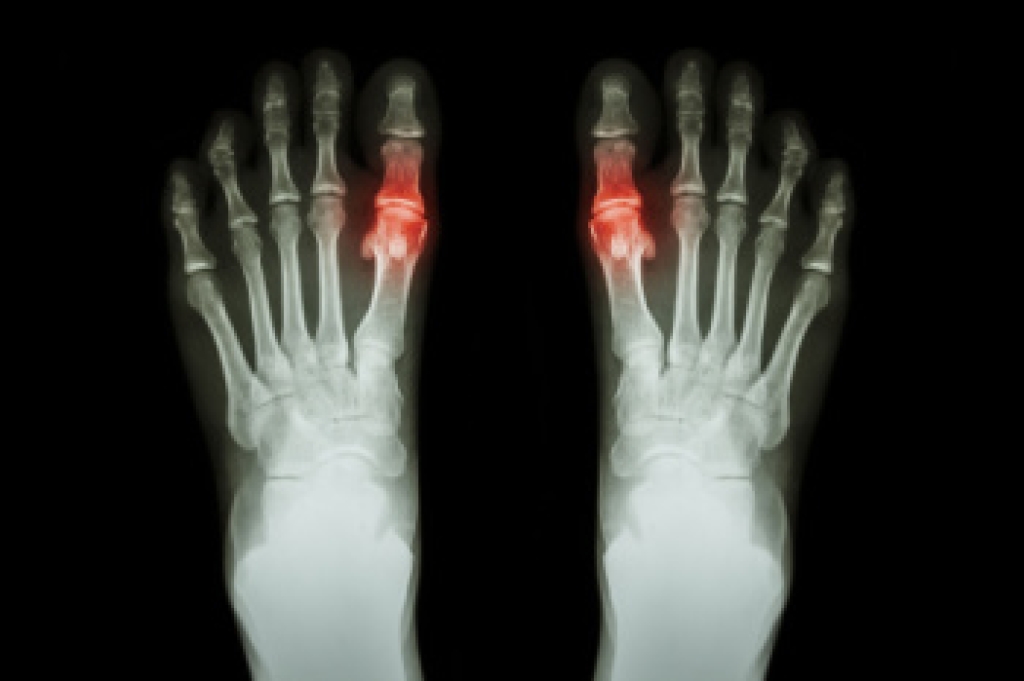
What Causes Toe Pain?

Most severe toe pain is caused due to a sports injury, trauma from dropping something heavy on the toe, or bumping into something rigid. Other problems can develop over time for various reasons.

Toe pain can be caused by one or more ailments. The most common include:

  • Trauma
  • Sports injury
  • Wearing shoes that are too tight
  • Arthritis
  • Gout
  • Corns and calluses
  • Hammertoe
  • Bunions
  • Blisters
  • Ingrown toenails
  • Sprains
  • Fractures (broken bones)
  • Dislocations

When to See a Podiatrist

  • Severe pain
  • Persistent pain that lasts more than a week
  • Signs of infection
  • Continued swelling
  • Pain that prevents walking

Diagnosis

In many cases the cause of toe pain is obvious, but in others, a podiatrist may want to use more advanced methods to determine the problem. These can range from simple visual inspections and sensation tests to X-rays and MRI scans. Prior medical history, family medical history, and any recent physical traumatic events will all be taken into consideration for a proper diagnosis.

Treatment

Treatments for toe pain and injuries vary and may include shoe inserts, padding, taping, medicines, injections, and in some cases, surgery. If you believe that you have broken a toe, please see a podiatrist as soon as possible.

If you have any questions please contact our offices located in Rockwall, Greenville, Dallas, Sachse, and Lewisville, TX . We offer the newest diagnostic and treatment technologies for all your foot and ankle needs.

Read more about Toe Pain

When Foot Pain Strikes Along the Outer Edge

Discomfort along the outer edge of the foot can make every step challenging. This pain often develops from repetitive strain, minor injuries, or an imbalance in how weight is distributed while walking. Overstretching or inflammation of the tendons on the side of the foot is common, but sometimes a stress fracture or joint irritation is to blame. Wearing narrow or unsupportive shoes can also add pressure to the area and worsen symptoms. A podiatrist begins by identifying the exact cause through examination and imaging, if needed, then designs a treatment plan that may include rest, supportive footwear, or custom orthotics to ease tension and promote healing. Addressing the issue early helps prevent chronic discomfort. If you have persistent pain on the side of the foot, it is suggested that you schedule an appointment with a podiatrist for an evaluation and appropriate treatment.

Foot Pain

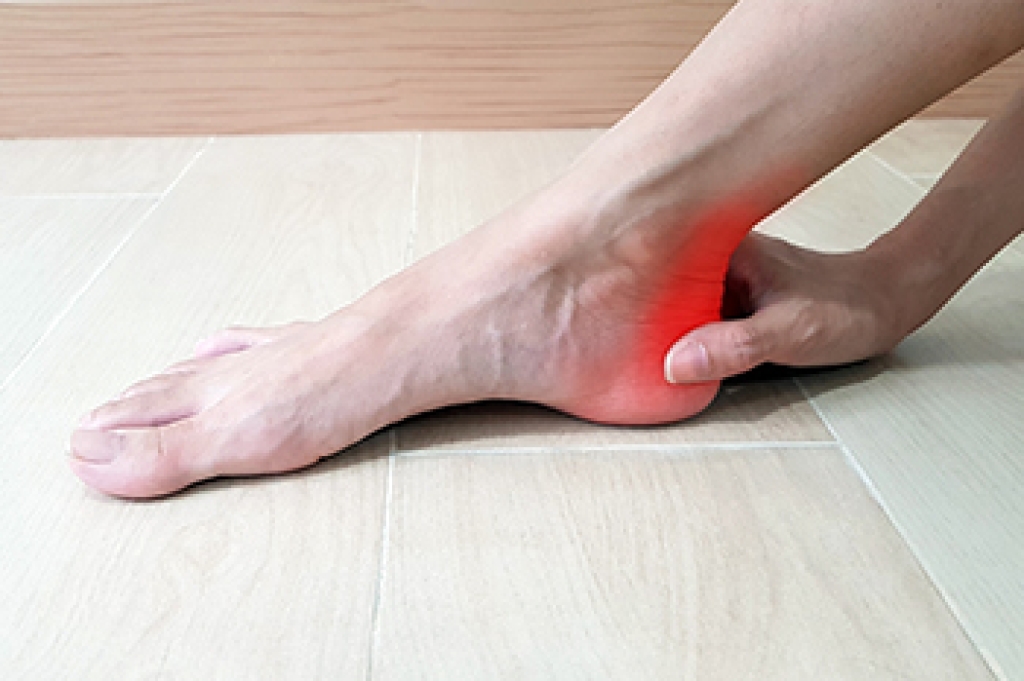
Foot pain can be extremely painful and debilitating. If you have a foot pain, consult with one of our podiatrists  from Advanced Foot Specialists. Our doctors will assess your condition and provide you with quality foot and ankle treatment.

Causes

Foot pain is a very broad condition that could be caused by one or more ailments. The most common include:

  • Bunions
  • Hammertoes
  • Plantar Fasciitis
  • Bone Spurs
  • Corns
  • Tarsal Tunnel Syndrome
  • Ingrown Toenails
  • Arthritis (such as Gout, Rheumatoid, and Osteoarthritis)
  • Flat Feet
  • Injury (from stress fractures, broken toe, foot, ankle, Achilles tendon ruptures, and sprains)
  • And more

Diagnosis

To figure out the cause of foot pain, podiatrists utilize several different methods. This can range from simple visual inspections and sensation tests to X-rays and MRI scans. Prior medical history, family medical history, and any recent physical traumatic events will all be taken into consideration for a proper diagnosis.

Treatment

Treatment depends upon the cause of the foot pain. Whether it is resting, staying off the foot, or having surgery; podiatrists have a number of treatment options available for foot pain.

If you have any questions, please feel free to contact our offices located in Rockwall, Greenville, Dallas, Sachse, and Lewisville, TX . We offer the newest diagnostic and treatment technologies for all your foot care needs.

Read more about Foot Pain

Are Bunions Affecting Your Everyday Life?

Have you noticed a bony protrusion on the side of your big toe? If so, you may have developed the foot condition known as a bunion. Don't let bunions interfere with your daily activities.

The Unseen Pain of Morton’s Neuroma

Morton’s neuroma is a painful condition affecting the ball of the foot, most commonly between the third and fourth toes. It is caused by thickening of the tissue surrounding a nerve, often due to irritation, pressure, or trauma. Wearing tight shoes, high heels, or engaging in high-impact activities can contribute to its development. Symptoms include a sharp, burning pain in the forefoot, numbness or tingling in the toes, and the sensation of a pebble or fold in a sock under the foot. The discomfort typically worsens with walking or standing and may improve with rest or shoe removal. A podiatrist can diagnose Morton’s neuroma through a physical exam and may use imaging, such as ultrasound or MRI, for confirmation. Treatment includes footwear modifications, custom orthotics, anti-inflammatory medications, corticosteroid injections, or in some cases, surgery. Since early treatment leads to better outcomes, it is suggested that you make an appointment with a podiatrist at your earliest convenience.

Morton’s neuroma is a very uncomfortable condition to live with. If you think you have Morton’s neuroma, contact one of our podiatrists of Advanced Foot Specialists. Our doctors will attend to all of your foot care needs and answer any of your related questions.  

Morton’s Neuroma

Morton's neuroma is a painful foot condition that commonly affects the areas between the second and third or third and fourth toe, although other areas of the foot are also susceptible. Morton’s neuroma is caused by an inflamed nerve in the foot that is being squeezed and aggravated by surrounding bones.

What Increases the Chances of Having Morton’s Neuroma?

  • Ill-fitting high heels or shoes that add pressure to the toe or foot
  • Jogging, running or any sport that involves constant impact to the foot
  • Flat feet, bunions, and any other foot deformities

Morton’s neuroma is a very treatable condition. Orthotics and shoe inserts can often be used to alleviate the pain on the forefront of the feet. In more severe cases, corticosteroids can also be prescribed. In order to figure out the best treatment for your neuroma, it’s recommended to seek the care of a podiatrist who can diagnose your condition and provide different treatment options.

If you have any questions, please feel free to contact our offices located in Rockwall, Greenville, Dallas, Sachse, and Lewisville, TX . We offer the newest diagnostic and treatment technologies for all your foot care needs.

Read more about What is Morton's Neuroma?

Skin Blisters on the Lower Leg and What They Mean

Blisters on the lower leg may appear suddenly and often signal more than simple irritation. While friction from shoes or clothing can cause fluid filled pockets, blistering eruptions may also point to underlying conditions. Infections, allergic reactions, burns, and even autoimmune disorders can present with painful or itchy blisters. Because the skin acts as a protective barrier, any break increases the risk of secondary infection, making prompt care important. Keeping the area clean, avoiding further friction, and covering with a sterile dressing can help protect the skin while healing. However, the cause determines the treatment, and self care alone may not resolve the problem. If you develop unexplained or recurring blisters on your lower leg, it is suggested that you consult a podiatrist for an accurate diagnosis and appropriate treatment plan.

Blisters are prone to making everyday activities extremely uncomfortable. If your feet are hurting, contact one of our podiatrists of Advanced Foot Specialists. Our doctors can provide the care you need to keep you pain-free and on your feet.

Foot Blisters

Foot blisters develop as a result of constantly wearing tight or ill-fitting footwear. This happens due to the constant rubbing from the shoe, which can often lead to pain.

What Are Foot Blisters?

A foot blister is a small fluid-filled pocket that forms on the upper-most layer of the skin. Blisters are filled with clear fluid and can lead to blood drainage or pus if the area becomes infected.

How Do Blisters Form?

Blisters on the feet are often the result of constant friction of skin and material, usually by shoe rubbing. Walking in sandals, boots, or shoes that don’t fit properly for long periods of time can result in a blister. Having consistent foot moisture and humidity can easily lead to blister formation.

Prevention & Treatment

It is important to properly care for the affected area in order to prevent infection and ease the pain. Do not lance the blister and use a Band-Aid to provide pain relief. Also, be sure to keep your feet dry and wear proper fitting shoes. If you see blood or pus in a blister, seek assistance from a podiatrist.

If you have any questions, please feel free to contact our offices located in Rockwall, Greenville, Dallas, Sachse, and Lewisville, TX . We offer the newest diagnostic and treatment technologies for all your foot care needs.
Read more about Blisters

Connect With Us

scroll to top