
When Heel Cracks Start to Hurt and Why It Matters

Cracked heels often begin as dry, thickened skin, but pain can develop once the surface splits under pressure. Every step places force on the heel, causing the skin to pull apart and expose sensitive tissue below. This can lead to burning, sharp discomfort, or bleeding. Standing for long periods of time, wearing unsupportive shoes, excess body weight, and reduced skin moisture all contribute to deeper fissures. Certain medical conditions, including diabetes or poor circulation, increase the risk that cracks may worsen or become infected. Warning signs include redness, swelling, drainage, or cracks that do not improve with basic care. While some heel cracks are mild, others can interfere with walking and overall foot health. If heel fissures are painful, deep, or slow to heal, it is suggested that you see a podiatrist for an evaluation and appropriate treatment.

If the skin on your feet starts to crack, you may want to see a podiatrist to find treatment. If you have any concerns, contact one of our podiatrists from Advanced Foot Specialists. Our doctors can provide the care you need to keep you pain-free and on your feet.

Cracked Heels

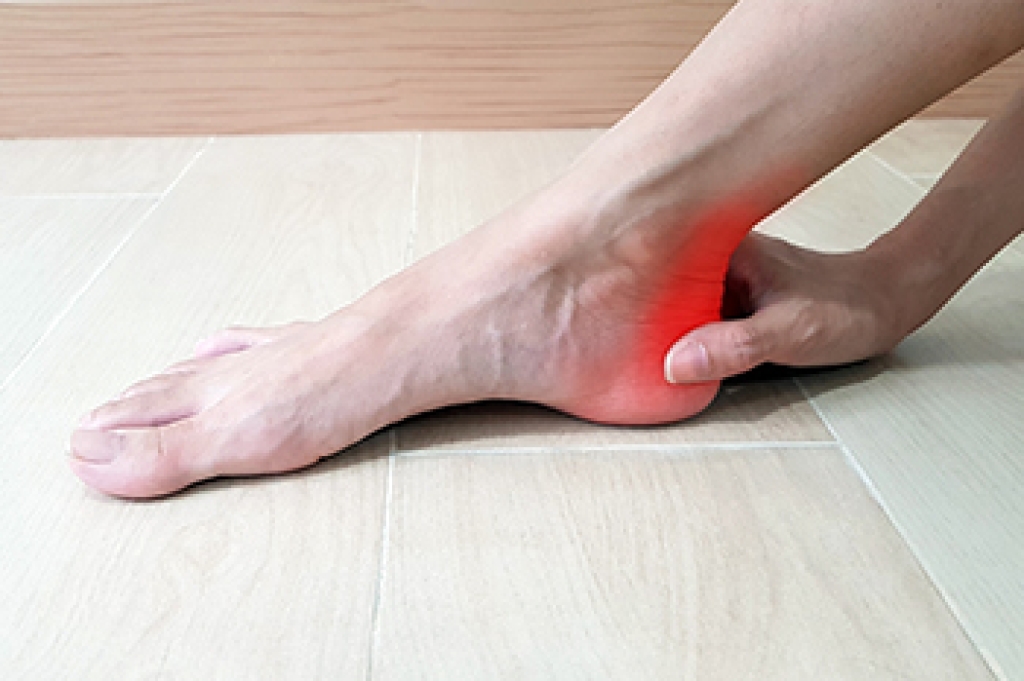
It is important to moisturize your cracked heels in order to prevent pain, bleeding, and infection. The reason cracked heels form is because the skin on the foot is too dry to support the immense pressure placed on them. When the foot expands, the dry skin on the foot begins to split.

Ways to Help Heal Them

  • Invest in a good foot cream
  • Try Using Petroleum Jelly
  • Ease up on Soaps
  • Drink Plenty of Water

Ways to Prevent Cracked Heels

  • Moisturize After Showering
  • Skip a Shower
  • Keep Shower Water Lukewarm
  • Don’t Scrub Your Feet

If you are unsure how to proceed in treating cracked heels, seek guidance from a podiatrist. Your doctor will help you with any questions or information you may need. 

If you have any questions, please feel free to contact our offices located in Rockwall, Greenville, Dallas, Sachse, and Lewisville, TX . We offer the newest diagnostic and treatment technologies for all your foot care needs.
Read more about Solutions for Cracked Heels

Flat Feet Causes and Symptoms

Flat feet is a condition in which the arches of the feet are low or absent, causing the entire sole to contact the ground while standing or walking. Some people do not experience issues, while others develop symptoms such as foot fatigue, aching pain in the arches or heels, swelling along the inside of the ankle, and discomfort with activity. Causes may include genetics, ligament laxity, injury, arthritis, or changes that occur with aging. Risk factors include obesity, prolonged standing, and certain medical conditions. A podiatrist can evaluate foot structure and gait and recommend treatments such as supportive footwear, custom orthotics, stretching exercises, or advanced care, when needed. If you have flat feet, and foot pain or fatigue limits your daily activities, it is suggested that you consult a podiatrist who can offer effective relief and management tips. 

Flatfoot is a condition many people suffer from. If you have flat feet, contact one of our podiatrists from Advanced Foot Specialists. Our doctors will treat your foot and ankle needs.

What Are Flat Feet?

Flatfoot is a condition in which the arch of the foot is depressed and the sole of the foot is almost completely in contact with the ground. About 20-30% of the population generally has flat feet because their arches never formed during growth.

Conditions & Problems:

Having flat feet makes it difficult to run or walk because of the stress placed on the ankles.

Alignment – The general alignment of your legs can be disrupted, because the ankles move inward which can cause major discomfort.

Knees – If you have complications with your knees, flat feet can be a contributor to arthritis in that area.  

Symptoms

  • Pain around the heel or arch area
  • Trouble standing on the tip toe
  • Swelling around the inside of the ankle
  • Flat look to one or both feet
  • Having your shoes feel uneven when worn

Treatment

If you are experiencing pain and stress on the foot you may weaken the posterior tibial tendon, which runs around the inside of the ankle. 

If you have any questions, please feel free to contact our offices located in Rockwall, Greenville, Dallas, Sachse, and Lewisville, TX . We offer the newest diagnostic and treatment technologies for all your foot care needs.

Read more about Flat Feet

When the Talus Bone Is Fractured

A fractured talus can cause intense ankle pain, swelling, and difficulty walking because this bone connects the leg to the foot and helps control movement. It supports the ankle joint and the subtalar joint, which is located below the ankle and allows the foot to move side to side on uneven surfaces. The injury often follows a strong impact like a fall, and people may notice bruising, stiffness, and trouble moving the ankle or toes. A podiatrist can evaluate foot stability, check circulation and nerve response, and order imaging to see whether the bone has shifted. A stable fracture can be managed with a cast to limit motion, while a displaced fracture can require surgery to realign the bone. Without proper healing, arthritis can develop or the bone can heal in the wrong position. If you have symptoms of a talus fracture, it is suggested that you make an appointment with a podiatrist for a diagnosis and options for treatment.

test

Read more about All About Broken Ankle

Toenails That Grow the Wrong Way

An ingrown toenail develops when the edge of the nail presses into the surrounding skin, leading to redness, swelling, and sharp pain along the border of the nail. It may look puffy or irritated and can sometimes drain if infection is present. This condition often occurs after improper trimming, tight shoes, or injury to the toe. Early treatment may include careful trimming and reducing pressure, but when the problem becomes chronic, more advanced care is needed. A traditional matrixectomy removes part of the nail root to permanently narrow the nail and prevent regrowth along the painful edge. A nail brace offers a more conservative option by gently lifting and reshaping the nail over time without removing tissue. A podiatrist will evaluate the severity, discuss health history, and recommend the most appropriate solution. If you have an ingrown toenail that continues to return or becomes infected, it is suggested that you make an appointment with a podiatrist.

Ingrown toenails can become painful if they are not treated properly. For more information about ingrown toenails, contact one of our podiatrists of Advanced Foot Specialists. Our doctors can provide the care you need to keep you pain-free and on your feet.

Ingrown Toenails

Ingrown toenails occur when a toenail grows sideways into the bed of the nail, causing pain, swelling, and possibly infection.

Causes

  • Bacterial infections
  • Improper nail cutting such as cutting it too short or not straight across
  • Trauma to the toe, such as stubbing, which causes the nail to grow back irregularly
  • Ill-fitting shoes that bunch the toes too close together
  • Genetic predisposition

Prevention

Wearing proper fitting shoes and using proper cutting techniques will also help decrease your risk of developing ingrown toenails.

Treatment

Ingrown toenails are a very treatable foot condition. In minor cases, soaking the affected area in salt or antibacterial soaps will not only help with the ingrown nail itself, but also help prevent any infections from occurring. In more severe cases, surgery is an option. In either case, speaking to your podiatrist about this condition will help you get a better understanding of specific treatment options that are right for you.

If you have any questions, please feel free to contact our offices located in Rockwall, Greenville, Dallas, Sachse, and Lewisville, TX . We offer the newest diagnostic and treatment technologies for all your foot care needs.
Read more about Ingrown Toenails

Ankle Fracture? Don’t Wait for Treatment

If you're suffering from an ankle fracture, professional attention shouldn't wait. Fractures may worsen over time and can make completing everyday activities incredibly difficult. See your specialist for treatment and guidance through the healing process. 

Connect With Us

scroll to top