
Ingrown toenails can be painful and can make wearing shoes or walking uncomfortable. Seek professional help if you believe you've developed an ingrown toenail and be treated safely.
Ingrown toenails can be painful and can make wearing shoes or walking uncomfortable. Seek professional help if you believe you've developed an ingrown toenail and be treated safely.
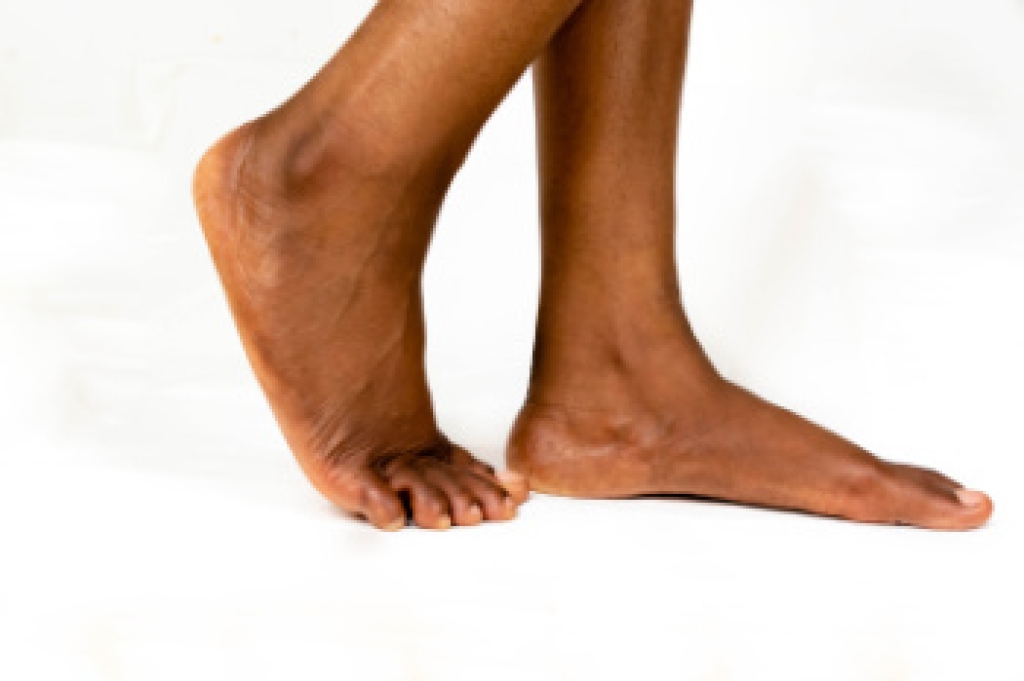
Flat feet occur when the arches along the inside of the feet are low or flatten when standing. The arches help distribute body weight and support efficient movement while walking or standing. Some people have flat feet from childhood, while others develop them later in life. Changes in muscles or tendons that support the arch can contribute to flattening. Age, injury, and repeated stress on the feet can also play a role. Some people with flat feet have no discomfort. Others experience foot pain, tired feet, or swelling near the ankle. Pain can also develop in the heel or arch. Flat feet can affect how weight moves through the feet, which can change the way a person stands and walks.
A podiatrist can evaluate flat feet by examining the arches and observing how the feet function while standing and walking. An examination can include checking foot flexibility, ankle movement, and areas of tenderness. The podiatrist can also assess how the heels and ankles are positioned when weight is placed on the feet. Treatment depends on the patient's symptoms and how flat feet affect daily activities. Custom orthotics can provide added support and help improve the way pressure is distributed across the feet. A podiatrist can also recommend appropriate shoes that provide support and fit the patient's foot structure. Targeted exercises can be prescribed to improve strength and flexibility in the feet and lower legs.
Flat feet can make prolonged standing, walking, and physical activity uncomfortable for some patients. Changes in foot movement can also place added stress on the ankles, knees, or lower legs. A podiatrist can identify these movement patterns and develop a treatment plan focused on reducing discomfort and supporting better foot function. Care can be adjusted according to the patient's activity level and response to treatment. Improving support and pressure distribution can help the feet function more efficiently during everyday activities. Treatment can also address related problems that develop because of changes in foot mechanics. If you have symptoms of flat feet, it is suggested that you make an appointment with a podiatrist for diagnosis and treatment.
Flatfoot is a condition many people suffer from. If you have flat feet, contact one of our podiatrists from Advanced Foot Specialists. Our doctors will treat your foot and ankle needs.
What Are Flat Feet?
Flatfoot is a condition in which the arch of the foot is depressed and the sole of the foot is almost completely in contact with the ground. About 20-30% of the population generally has flat feet because their arches never formed during growth.
Conditions & Problems:
Having flat feet makes it difficult to run or walk because of the stress placed on the ankles.
Alignment – The general alignment of your legs can be disrupted, because the ankles move inward which can cause major discomfort.
Knees – If you have complications with your knees, flat feet can be a contributor to arthritis in that area.
Symptoms
Treatment
If you are experiencing pain and stress on the foot you may weaken the posterior tibial tendon, which runs around the inside of the ankle.
If you have any questions, please feel free to contact our offices located in Rockwall, Greenville, Dallas, Sachse, and Lewisville, TX . We offer the newest diagnostic and treatment technologies for all your foot care needs.

Ball-of-foot-pain from running is discomfort that develops beneath the toes and across the front of the foot. This area absorbs significant force with every stride, especially during faster or longer runs. Several injuries can affect this region. Soft tissue injuries involve damage or irritation to muscles, tendons, or ligaments. Bone injuries involve stress or damage to the metatarsals or other foot bones. Inflammation occurs when tissues become irritated and swollen after repeated stress.
Soft tissue injuries may develop when runners suddenly increase mileage or intensity. Repetitive pushing off can strain structures beneath the toes. Bone injuries can include stress fractures, which are small cracks caused by repeated loading. Inflammation may occur from overuse, especially when the foot does not have enough time to recover. Symptoms can include aching, tenderness, or pain that becomes worse during running. Some runners may notice discomfort when walking or pressing on the ball of the foot.
Several factors can increase the risk of running-related foot pain. Wearing worn-out or poorly fitting running shoes can increase pressure beneath the forefoot. Running on hard surfaces may also place greater stress on the feet. Other risk factors include sudden training changes, poor foot mechanics, and limited recovery between workouts. A podiatrist can evaluate the painful area and review your running habits. The examination may include checking your gait and testing foot movement. Imaging tests may be recommended when a bone injury is suspected. Treatment may include rest, footwear changes, or activity adjustments. More serious injuries may require immobilization.
Ball-of-foot-pain does not have to become a permanent part of running. Getting the cause identified early can help protect your feet and keep you moving safely. If pain continues or affects your ability to run, it is suggested that you consult a podiatrist for an accurate diagnosis and appropriate treatment.
Foot Pain
Foot pain can be extremely painful and debilitating. If you have a foot pain, consult with one of our podiatrists from Advanced Foot Specialists. Our doctors will assess your condition and provide you with quality foot and ankle treatment.
Causes
Foot pain is a very broad condition that could be caused by one or more ailments. The most common include:
Diagnosis
To figure out the cause of foot pain, podiatrists utilize several different methods. This can range from simple visual inspections and sensation tests to X-rays and MRI scans. Prior medical history, family medical history, and any recent physical traumatic events will all be taken into consideration for a proper diagnosis.
Treatment
Treatment depends upon the cause of the foot pain. Whether it is resting, staying off the foot, or having surgery; podiatrists have a number of treatment options available for foot pain.
If you have any questions, please feel free to contact our offices located in Rockwall, Greenville, Dallas, Sachse, and Lewisville, TX . We offer the newest diagnostic and treatment technologies for all your foot care needs.
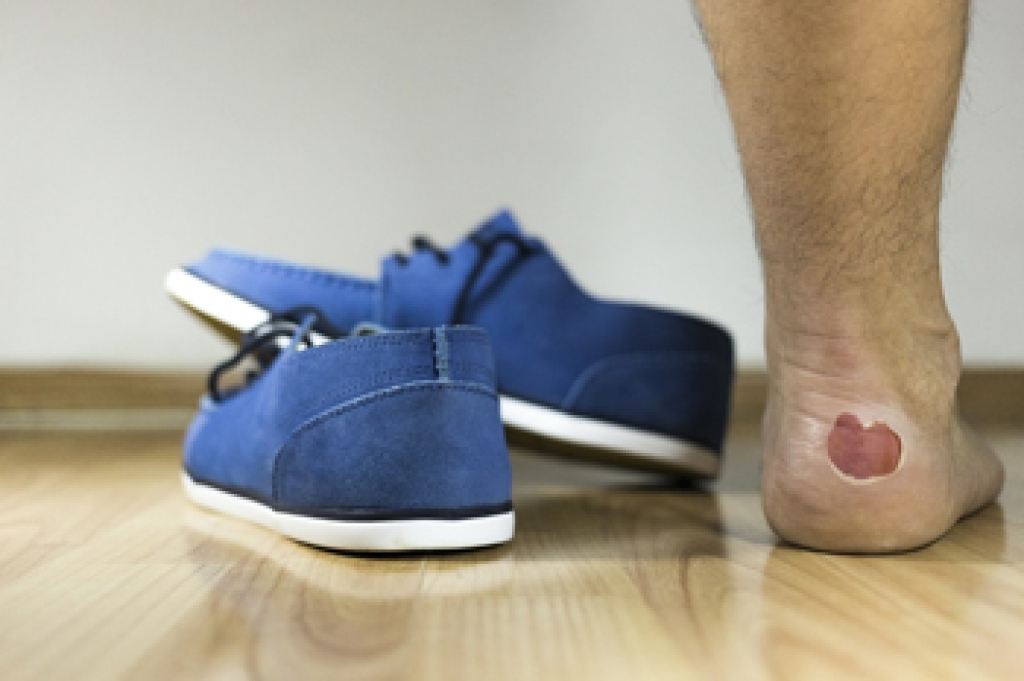
Foot blisters from hiking are small, fluid-filled pockets caused by repeated friction and pressure. They commonly develop on the heels, toes, or soles after hikes. Symptoms include tenderness, redness, and a raised area that hurts during walking. Risk factors include long-distance hiking, hot weather, and increasing hiking time. Wearing new footwear can also increase friction. People with sensitive skin may be more likely to develop hiking blisters.
Friction is the main cause of hiking blisters. Socks that bunch can rub against skin, while cotton socks may hold moisture and cause irritation. Tight shoes can press against the toes, while loose shoes allow excessive foot movement. Poorly fitted hiking boots may create pressure points on uneven trails. Wet conditions can soften the skin, making friction more damaging. Together, these issues can make hiking uncomfortable.
Preventing hiking blisters starts with properly fitted hiking shoes and moisture-managing socks. Choose hiking socks and replace them when they become damp. It is helpful to break new boots gradually before a trail. Apply protective blister pads to areas that commonly rub, and check for hot spots. If a blister forms, keep it clean and covered rather than popping it. A podiatrist can examine the blister, clean it when needed, and protect damaged skin.
Most hiking blisters improve when friction is reduced and the skin is protected. Increasing redness, warmth, or worsening pain may indicate infection. People with diabetes or circulation concerns should seek foot care promptly because minor injuries may require closer monitoring. A podiatrist can identify footwear or foot mechanics that contribute to recurring blisters and provide prevention guidance. If you have foot blisters from hiking, it is suggested that you consult a podiatrist for effective relief and prevention tips.
Blisters may appear as a single bubble or in a cluster. They can cause a lot of pain and may be filled with pus, blood, or watery serum. If your feet are hurting, contact one of our podiatrists of Advanced Foot Specialists. Our doctors can provide the care you need to keep you pain-free and on your feet.
Foot Blisters
Foot blisters are often the result of friction. This happens due to the constant rubbing from shoes, which can lead to pain.
What Are Foot Blisters?
A foot blister is a small fluid-filled pocket that forms on the upper-most layer of the skin. Blisters are filled with clear fluid and can lead to blood drainage or pus if the area becomes infected.
Symptoms
(Blister symptoms may vary depending on what is causing them)
Prevention & Treatment
In order to prevent blisters, you should be sure to wear comfortable shoes with socks that cushion your feet and absorb sweat. Breaking a blister open may increase your chances of developing an infection. However, if your blister breaks, you should wash the area with soap and water immediately and then apply a bandage to the affected area. If your blisters cause severe pain it is important that you call your podiatrist right away.
If you have any questions, please feel free to contact our offices located in Rockwall, Greenville, Dallas, Sachse, and Lewisville, TX . We offer the newest diagnostic and treatment technologies for all your foot care needs.
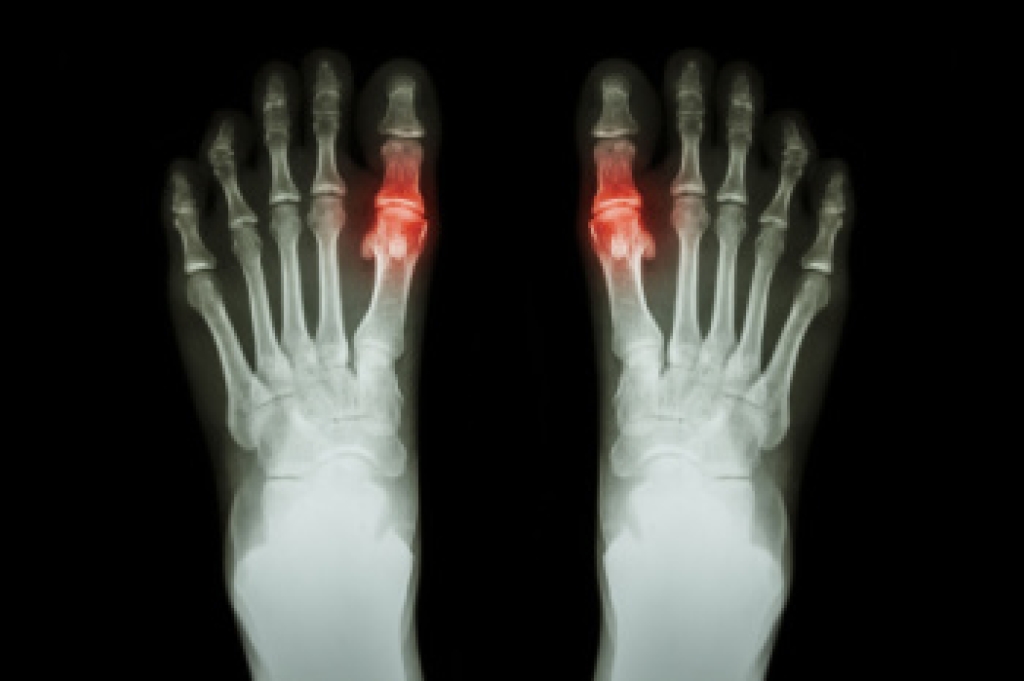
Gout is a form of inflammatory arthritis that develops when uric acid builds up in the blood and forms sharp crystals in a joint. These crystals can trigger sudden inflammation, making gout extremely painful. Gout commonly affects the big toe because the joint is relatively cool and receives repeated pressure from walking. Lower temperatures can encourage crystal formation. Recognizing gout symptoms can help you seek care before pain becomes difficult to manage.
A gout attack often begins suddenly, sometimes during the night. The big toe may become intensely painful, swollen, and extremely tender. Even light contact from bedding or a shoe can feel uncomfortable. Some people notice shiny skin around the affected joint. Without treatment, an attack may last for days. Repeated flares can damage the joint and contribute to the formation of tophi, which are firm deposits of uric acid crystals beneath the skin.
Several factors can increase gout risk. High uric acid levels are the main cause, but kidney problems can make it harder for the body to remove uric acid. Family history can also play a role. Certain medications, dehydration, and a diet high in purine-rich foods may increase risk. Obesity and some metabolic conditions can further contribute. A podiatrist can review your symptoms and examine the foot. Testing may also help confirm the diagnosis.
Treatment depends on the severity and frequency of attacks. A podiatrist may recommend rest, supportive footwear, and measures that reduce pressure on the painful joint. Medication may help control inflammation and pain during an acute flare. Long-term care may focus on lowering uric acid levels and preventing future attacks with guidance from your healthcare provider. If you have intense pain in your big toe, or other symptoms of gout, it is suggested that you are under the care of a podiatrist who can help you to manage this painful condition.
Gout is a painful condition that can be treated. If you are seeking treatment, contact one of our podiatrists from Advanced Foot Specialists. Our doctors will treat your foot and ankle needs.
What Is Gout?
Gout is a form of arthritis that is characterized by sudden, severe attacks of pain, redness, and tenderness in the joints. The condition usually affects the joint at the base of the big toe. A gout attack can occur at any random time, such as the middle of the night while you are asleep.
Symptoms
Risk Factors
Prior to visiting your podiatrist to receive treatment for gout, there are a few things you should do beforehand. If you have gout you should write down your symptoms--including when they started and how often you experience them, important medical information you may have, and any questions you may have. Writing down these three things will help your podiatrist in assessing your specific situation so that he or she may provide the best route of treatment for you.
If you have any questions, please feel free to contact our offices located in Rockwall, Greenville, Dallas, Sachse, and Lewisville, TX . We offer the newest diagnostic and treatment technologies for all your foot care needs.
Connect With Us
