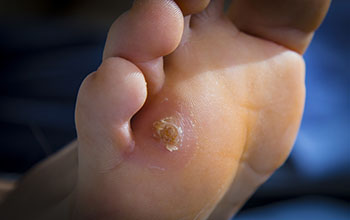
Corns Treatment
What is a Corn?
When skin on your feet is exposed to repeated friction or pressure from shoes or by standing for prolonged periods, hardened, raised layers of skin (corns) can develop in response.
Corns can form between or on top of the toes, below the toenail bed, or on the sides or bottoms of your feet.
Symptoms of a Corn
Corns and calluses are similar, but corns are smaller and deeper, with a hard center encompassed by swollen skin. They are typically more painful than calluses as well. Additional symptoms of a corn may include:
• A round shape
• A yellowish color, or sometimes they may be whitish or gray
• Lumpy or bumpy skin
• Sensitivity to touch
• Pain while wearing shoes
• Rubbery texture in certain cases
Different Types of Corns
There are three different types of corns: hard, soft, and seed.
Hard corns. This is the most common type of corn. They are concentrated, small, and sometimes yellowish in color.
Soft corns. These corns usually form between the toes, which can make them rubbery, white, or gray.
Seed corns. These are small corns that typically form on the sole of the foot.
Can Corns Be Prevented?
Eliminating friction on your feet is the best way to prevent corns from developing or coming back. Additional preventative measures include:
• Wearing shoes and shoes that fit properly and don’t rub against your skin uncomfortably
• Trimming toenails to avoid them pushing against the tip of your shoes and creating a pressure point
• Keeping your feet clean and moisturized to keep them from becoming dry, which can set the stage for friction
How Are Corns Treated?
Corns can sometimes go away if the pressure and friction that caused them stops. There are a variety of techniques to reduce pressure and friction and reduce pain in and around the corn.
• Corn pads. These are donut-shaped adhesive pads placed on the corn to redistribute pressure around it.
• Soaking the corn. A corn can be softened by submerging it in water for 10 minutes.
• Filing the corn. Certain people may be able to use a pumice stone dipped in warm water to lightly file the corn down in gentle circular motions. This is not recommended for people with diabetes, compromised skin, or circulatory issues. Additionally, cutting or shaving the corn should never be attempted at home.
• Moisturizing the corn. Using a cream made with salicylic acid can sometimes help dissolve the layers of corn over time. Again, people with diabetes, compromised skin, or circulatory issues should not use this type of lotion.
A stubborn or particularly painful or inflamed corn should be treated by a podiatrist who has a variety of professional techniques to remove the wart and reduce pain and inflammation.
