Flat Feet Treatment
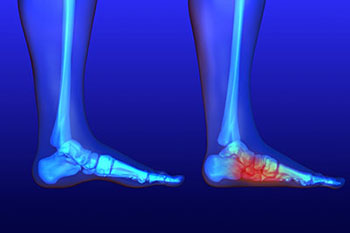
All babies are born without arches, which usually develop by approximately age six. When arches fail to develop during childhood, this is a condition known as flat feet, or pes planus. Flat feet are characterized by feet that have no arch and when the middle of the foot is flush with the ground.
Causes of Flat Feet
There are many possible causes of flat feet, including:
• Genetics
• Obesity
• Pregnancy
• Old age
• Rheumatoid arthritis
• Injuries such as a broken bone or Achille’s tendon injury.
The likelihood of having flat feet increases in those with diabetes or certain muscular or neurological diseases such as muscular dystrophy, spina bifida, or cerebral palsy.
Different Types of Flat Feet
Not all flat feet are the same. In adults, flat feet are categorized as either rigid or flexible.
Rigid flat feet. Individuals with this type of flat feet will have no arch at any time: when putting weight on the feet or when sitting, when there is no weight on the feet.
Flexible flat feet. Arches in individuals with flexible flat feet will be visible when sitting or while on tiptoes. However, the arches will collapse once standing and when weight is put on the feet.
Adult-acquired (fallen arch). This is a sudden drop or collapse of the arch which may only affect one foot. It can be caused by inflammation or a tear in a leg tendon that supports the arch.
Vertical talus. This is a congenital disability where the ankle’s talus bone is improperly positioned, causing the bottom of the foot to look like a rocking chair’s bottom.
Symptoms of Flat Feet
Flat feet are often asymptomatic, however many people can experience one or more of the following symptoms:
• Arch pain
• Stiffness
• Changes in gait
• Muscle pain or fatigue in the feet or legs
• Toe drift
• Balance issues or difficulty standing
Diagnosing and Treating Flat Feet
To make a diagnosis, a podiatrist will observe your feet as you sit, stand, and walk, and will assess your symptoms. In some cases, they will want to evaluate bone structure by looking at an X-ray.
Depending on the type of symptoms and severity of the condition, a podiatrist may treat flat feet with custom orthotics/shoes, foot braces, nonsteroidal anti-inflammatory drugs (NSAIDs), or ice and rest. They may suggest physical therapy to improve flexibility and strengthen muscles and tendons.
If flat feet are interrupting your daily activities or causing you any discomfort, have your condition evaluated and treated by a podiatrist.
