Morton's neuromas treatment in the Hunt County, TX: Greenville, Rockwall County, TX: Rockwall, Rowlett, Fate, Royse City, Heath, Collin County, TX: Plano, Wylie, Sachse, Frisco, Dallas County, TX: Dallas, Richardson, Garland, Mesquite, Irving, Carrollton, Addison, Farmers Branch, Coppell, Lewisville, Rowlett (partial), Sachse (partial), Balch Springs, Seagoville, Denton County, TX: Lewisville, Flower Mound, The Colony, Highland Village, Denton, Tarrant County, TX: Grapevine areas

Morton's Neuroma Treatment

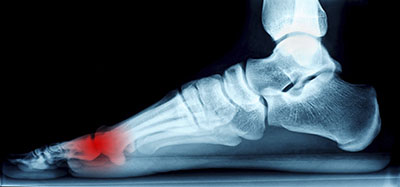
Morton’s Neuroma, also known as inter-metatarsal neuroma, is a thickening of tissue around the nerve that runs between the third and fourth toes.

The thickening of nerve tissue is the body’s response to the nerve being compressed or irritated. This irritation is often caused by wearing high heeled shoes that force toes into the toe box or other pointy footwear that squeeze the toes together.

Flat feet, bunions, and hammertoes can also contribute to the formation of Morton’s neuroma as well as injuries and participating in physical activities which repeatedly stress the ball of the foot, like court sports or running.

Symptoms of Morton’s Neuroma

Morton’s neuroma is a progressive condition. At first, symptoms may come and go, only occurring during activity or when wearing certain shoes. As time goes on and the neuroma gets bigger, the symptoms will worsen.

Because of the location of the nerve that is affected in Morton’s Neuroma, symptoms are typically felt in the ball of the foot:

• Pain

• Tingling

• Numbness

• Burning

• The sensation that a sock is bunched up in the front of the shoe

• The feeling of having a pebble stuck in your shoe

Diagnosing and Treating Morton’s Neuroma

To make a diagnosis of Morton’s neuroma, your podiatrist will need to perform a physical examination, run various tests, and may need to evaluate diagnostic imaging.

There are both conservative and surgical treatments for Morton’s neuroma. An early detection of this condition increases the chance that it can be treated conservatively.

Conservative (non-surgical) treatments include:

• Icing the affected area

• Wearing custom orthotics and padding to lessen compression and pressure on the nerve

• Taking nonsteroidal anti-inflammatory medications to reduce inflammation and pain

• Making modifications to footwear to allow for more room in the toe box

• Getting cortisone or other types of injections to reduce inflammation and pain

Surgical treatment. If the condition does not respond properly to more conservative treatments, your podiatrist may recommend surgery to remove the nerve and release ligaments that are tight in the surround area.

Morton’s neuroma is not only uncomfortable, but if left untreated, may lead to permanent damage. Call a podiatrist as soon as possible if you have any of the symptoms listed here.

Neuroma Morton's (FAQs)

What is Morton's neuroma?
Morton’s neuroma is a foot condition in which compression and irritation of a nerve in the ball of the foot leads to painful symptoms. Morton’s neuroma typically affects the nerve between the third and fourth toes. This condition may also be referred to as intermetatarsal neuroma, because of its location between the metatarsal bones.
What are the symptoms of Morton’s neuroma?
Symptoms of Morton’s neuroma include tingling, burning, numbness, and pain in the ball of the affected foot. You may also experience a strange sensation that has been described as feeling like you are “walking on a pebble in your shoe.” Without treatment, this condition can progress and lead to permanent nerve damage in the foot. Symptoms often begin gradually, arising only while doing certain physical activities or wearing tight shoes. Over time, the symptoms can worsen and last for several days or weeks, even while resting or going barefoot.
What causes Morton’s neuroma?
Morton’s neuroma can be caused by anything that irritates a nerve in the ball of the foot. This can include wearing shoes that are too tight and narrow in the toe area, running, and playing court sports like basketball or tennis. People with other foot problems, such as bunions, hammertoes, or flat feet, are at an increased risk of developing Morton’s neuroma.
What are the treatments for Morton’s neuroma?
Initial treatment for Morton’s neuroma is conservative and may involve padding the affected foot to reduce pressure on the damaged nerve, resting and icing the foot to relieve pain, swelling, and pressure, taking over the counter pain medications, and wearing orthotics. If conservative treatments do not relieve the symptoms, surgery can also be an option.

Connect With Us

Advanced Podiatric Procedures & Services in the areas