Custom orthotics in the Hunt County, TX: Greenville, Rockwall County, TX: Rockwall, Rowlett, Fate, Royse City, Heath, Collin County, TX: Plano, Wylie, Sachse, Frisco, Dallas County, TX: Dallas, Richardson, Garland, Mesquite, Irving, Carrollton, Addison, Farmers Branch, Coppell, Lewisville, Rowlett (partial), Sachse (partial), Balch Springs, Seagoville, Denton County, TX: Lewisville, Flower Mound, The Colony, Highland Village, Denton, Tarrant County, TX: Grapevine areas

Foot Orthotics

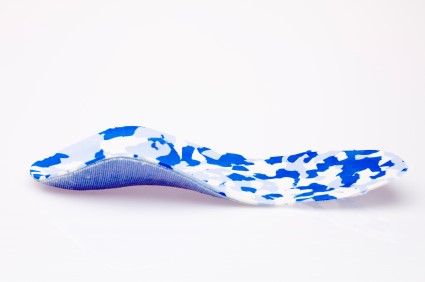
Foot orthotics are medical devices that a podiatrist will prescribe to treat a patient’s specific foot condition or to correct a biomechanical issue or gait anomaly. These types of orthotics are custom fitted, designed, and created, based on the patient’s actual foot and medical needs, and worn in the patient’s footwear.

What Conditions Can Orthotics Treat?

Custom orthotics can treat a variety of painful foot conditions and mobility issues including:

Plantar fasciitis

Arthritis

• Bursitis

Heel spurs

Bunions

Flat feet

• High arches

• Improper foot alignment

• Gait disorders caused by pronation or supination issues

• Balance issues

How Are Custom Orthotics Made?

Prescription orthotics are customized to each patient’s feet. Either a plaster mold or a 3D digital scan will provide a model of the patient’s actual foot. Following the podiatrist’s prescription, the orthotic will be constructed with specific long-lasting, high-quality materials that achieve different objectives.

Rigid Orthotics. Rigid, or functional orthotics are typically made from firm materials such as carbon fiber or plastic. These types of orthotics are designed to control motion and joint function. They can be used to treat muscle strain, foot pain, flat feet, Achilles tendonitis, sesamoiditis, and pain in the lower back, legs, and thighs.

Soft or accommodative orthotics. These devices are made of softer, more flexible materials such as EVA foam or gel. They are designed to offload pressure and cushion sore or uncomfortable areas of the feet. They can help prevent and treat conditions such as diabetic foot ulcers, plantar fasciitis, and more.

Semi-rigid orthotics. These combine the control of a rigid orthotic with the cushioning features of a soft orthotic. They use softer material which has been reinforced by more rigid materials. These types of orthotics are often used to help provide balance when walking or doing sports, or to treat flat feet or gait abnormalities in children learning to walk.

Talk to your podiatrist about custom orthotics to explore whether they can help treat your pain or correct your alignment or gait issue.

Foot Orthotics (FAQs)

What are orthotics?
Orthotics are special inserts worn inside the shoes that are designed to treat a variety of foot and ankle problems. They can be custom-made specifically for your feet or bought over-the-counter at most major drug and department stores. Orthotics are generally light-weight, but can be rigid or soft depending on what they are designed to treat. They are often made with a firm foundation with cushioning materials on top.
What conditions can orthotics treat?
Orthotics can be used to correct foot deformities, help the feet and ankles function better, provide support, and reduce the risk of future injuries. They can be used to treat a variety of conditions. These include plantar fasciitis, flat feet, high arches, bunions, bursitis, Morton’s neuroma, Achilles tendinopathy, and many more. Orthotics may also be prescribed to help correct a dysfunctional gait or walking pattern.
Should I get over-the-counter or custom-made orthotics?
The type of orthotics you should get depends on the foot or ankle condition you have and what your treatment goals are. You should discuss your specific needs with your podiatrist to find the right orthotic to help you.
Can orthotics hurt your feet?
Generally, orthotics will not hurt unless they do not fit properly or are worn out. Some people believe that wearing orthotics, and particularly wearing them long-term, can weaken or otherwise harm the feet, however this is not the case. Orthotics are designed to help heal or manage foot and ankle problems to improve your mobility, comfort, and quality of life. If your orthotics are hurting you, let your podiatrist know as soon as possible so that they can figure out why and solve the problem.
When should I get new orthotics?
Orthotic inserts, even those that are custom-made, unfortunately are not built to last forever. Much like your shoes, they undergo wear and tear over time, especially if they are worn frequently. You may need new orthotics if you notice that your current ones are no longer helping relieve your symptoms, are uncomfortable, or are showing signs of wear and tear.

Connect With Us

Advanced Podiatric Procedures & Services in the areas